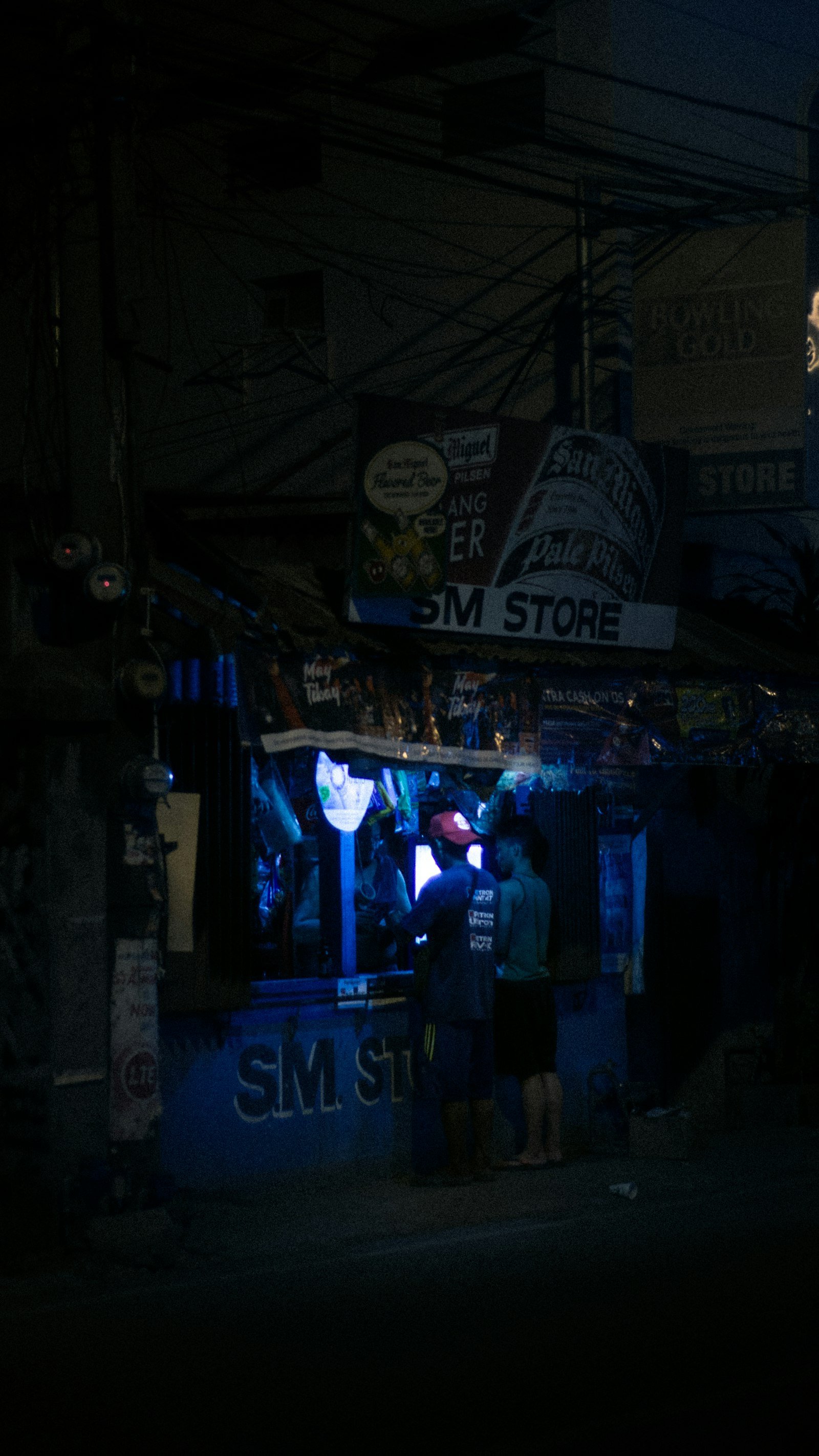
Someone near you is looking for exactly what you sell right now. They pull out their phone, search on Google or Facebook — and they find a competitor, an old listing with the wrong hours, or nothing at all. That's the quiet cost of not being online: not the customers who complained, but the ones who looked, didn't find you, and bought somewhere else. If your shop is hard to find online, a simple small business website in the Philippines is usually the fastest thing you can do about it.
Start Where Your Customers Are Already Searching
Before anyone walks into your store or messages your page, most people check two places first: Google and Facebook. A free Google Business Profile puts your name, hours, and location on the map — literally — and it takes an afternoon to claim. But a listing only points somewhere, and right now it may point nowhere. A website gives Google and Facebook a real, up-to-date place to send people: one link that shows what you offer and how to reach you, instead of scattered posts a customer has to scroll to piece together.
What a Small Business Website in the Philippines Actually Needs
You don't need an online store, a blog, or ten pages. Most of the time, customers are checking a short list of things before they decide to buy or visit. A good small business website just answers them clearly:
- What you sell, and a few honest photos. People trust what they can see. Real photos of your products or your space beat any stock image.
- Your hours and where to find you. Include a map link and note if you deliver — "Are you open today?" and "Do you deliver?" are the questions you're probably answering all day anyway.
- How to contact or order. A phone number, a Messenger link, or a short form — whatever is easiest for you to actually keep up with.
- It has to work on a phone. Most of your customers will visit from a mobile connection, so the site needs to load fast and read well on a small screen.
It Doesn't Have to Be Big or Expensive
The reason a lot of owners put this off is a fear that a website means a big project and a bigger bill. It doesn't. A single, well-built page on your own domain — a .com, or a .ph address that signals you're a local business — is often enough to get found and taken seriously. For many small businesses, that focused single page does the whole job; it's the same case we made for early-stage startups choosing a single-page website. We build affordable websites for small businesses and set them up so you can update them yourself, at a price that usually costs less than the sales you're already losing to customers who couldn't find you.
Keep Your Details the Same Everywhere
Once you're online in a few places, make sure your business name, address, and phone number match exactly across your website, your Google Business Profile, and your Facebook page. When those details line up, Google is more confident it's showing people the right business — and customers aren't left wondering which listing is real. It's a small habit that quietly helps you show up in searches and keeps people from calling a number that no longer works.
Getting found online isn't the only digital step worth taking, and it might not be your first — if you're weighing where to start, we also wrote about what actually holds small businesses back from going digital. But if customers can't find you at all, that's usually the place to begin. If you're not sure where you stand, we're happy to take a look with you.
Let's Get Your Business Found →